Choosing the right ceiling material isn’t just about looks—it’s about compliance, safety, and performance. While PVC and vinyl ceiling tiles are often compared, vinyl ceiling tiles stand out as a leading solution for commercial and residential kitchens, hospitals, and other spaces where hygiene and regulations matter. In this guide, we’ll explore the difference between PVC and vinyl tiles, highlight why vinyl ceiling tiles excel in kitchens, and explain their compliance advantages.
What Are Vinyl Ceiling Tiles?
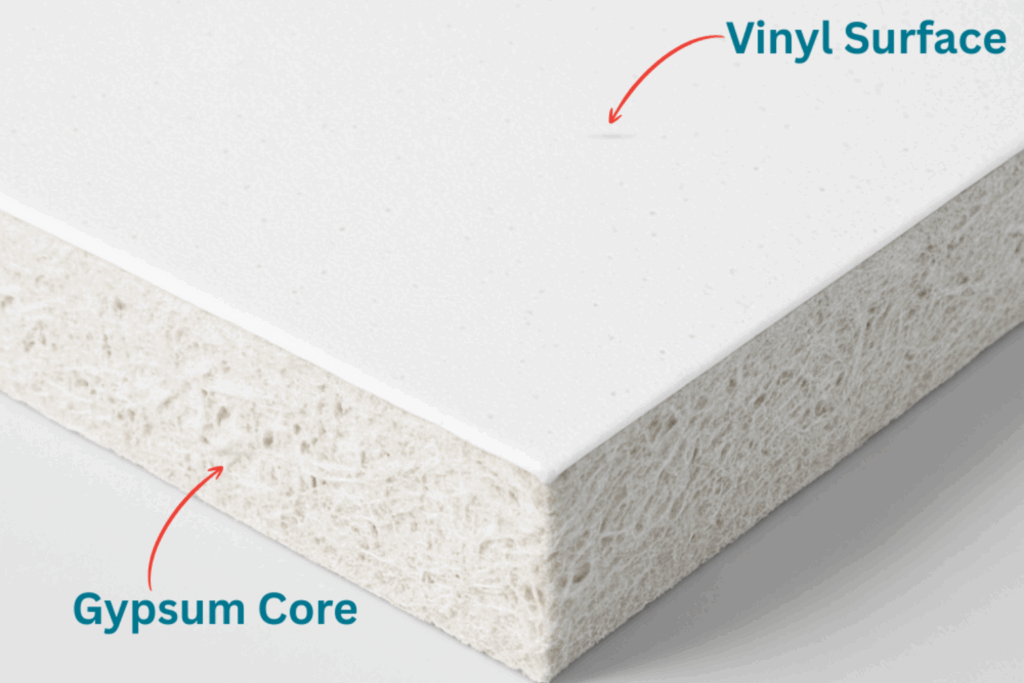
Vinyl ceiling tiles are typically mineral fiber or gypsum tiles coated with a vinyl surface layer. This coating provides moisture resistance, a wipe-clea n finish, and an attractive look—while the core material supports acoustic and thermal control.
Because of their vinyl-laminated surface, these tiles meet a wide range of compliance requirements, making them a go-to option for:
Commercial kitchens
Food preparation areas
Healthcare facilities
Clean rooms and laboratories
Vinyl Ceiling Tiles and Compliance Standards
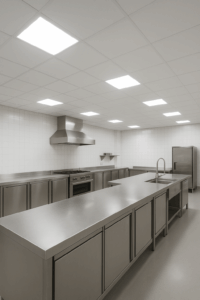
One of the most important considerations for kitchens and regulated spaces is compliance. Vinyl ceiling tiles often meet (or can be specified to meet) the following standards:
Fire Resistance (Class A / ASTM E84)
Vinyl ceiling tiles can be fire-rated, ensuring they slow the spread of flames and meet local building codes.
Moisture & Mold Resistance
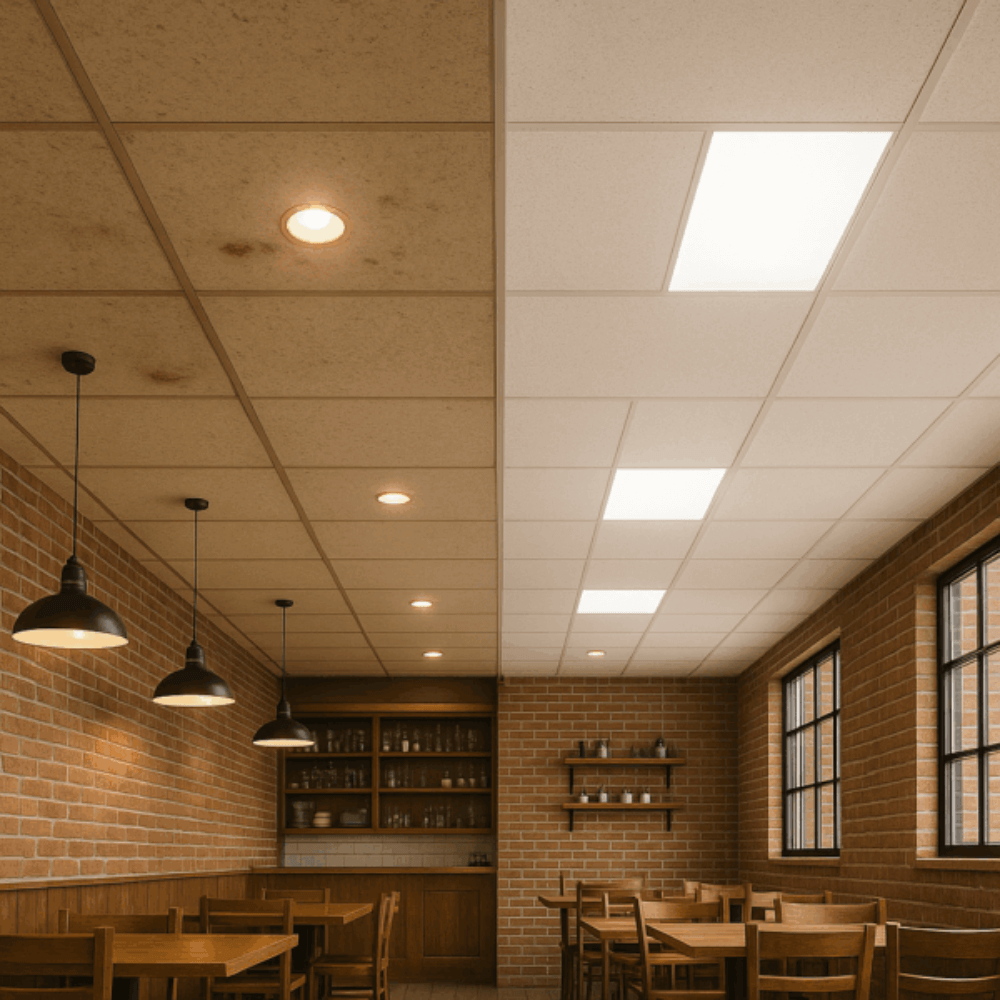
The vinyl surface prevents moisture absorption, protecting against mold, mildew, and bacterial growth—critical in food prep environments.Hygiene & Washability
Vinyl-coated tiles are easy to clean and can withstand repeated wiping, helping kitchens maintain FDA and USDA compliance where sanitary surfaces are required.Acoustic Performance
Many vinyl tiles have sound-absorbing backings, which can help reduce noise in busy commercial kitchens.
Why Vinyl Ceiling Tiles Are Ideal for Kitchens
When it comes to kitchen ceiling tiles, the choice must balance safety, hygiene, and durability. Vinyl ceiling tiles deliver in all three areas:
Grease & Stain Resistance: Unlike porous tiles, vinyl tiles repel grease splatters and stains.
Low Maintenance: They can be wiped down or even power-washed depending on the system.
Bright & Reflective Finishes: The white or glossy vinyl finish enhances lighting, improving visibility in the kitchen.
Drop Ceiling Compatibility: Easy to remove for access to pipes, ducts, or wiring—common in commercial kitchens.
👉 In many municipalities, vinyl ceiling tiles are required for food-handling areas to comply with fire and health codes.
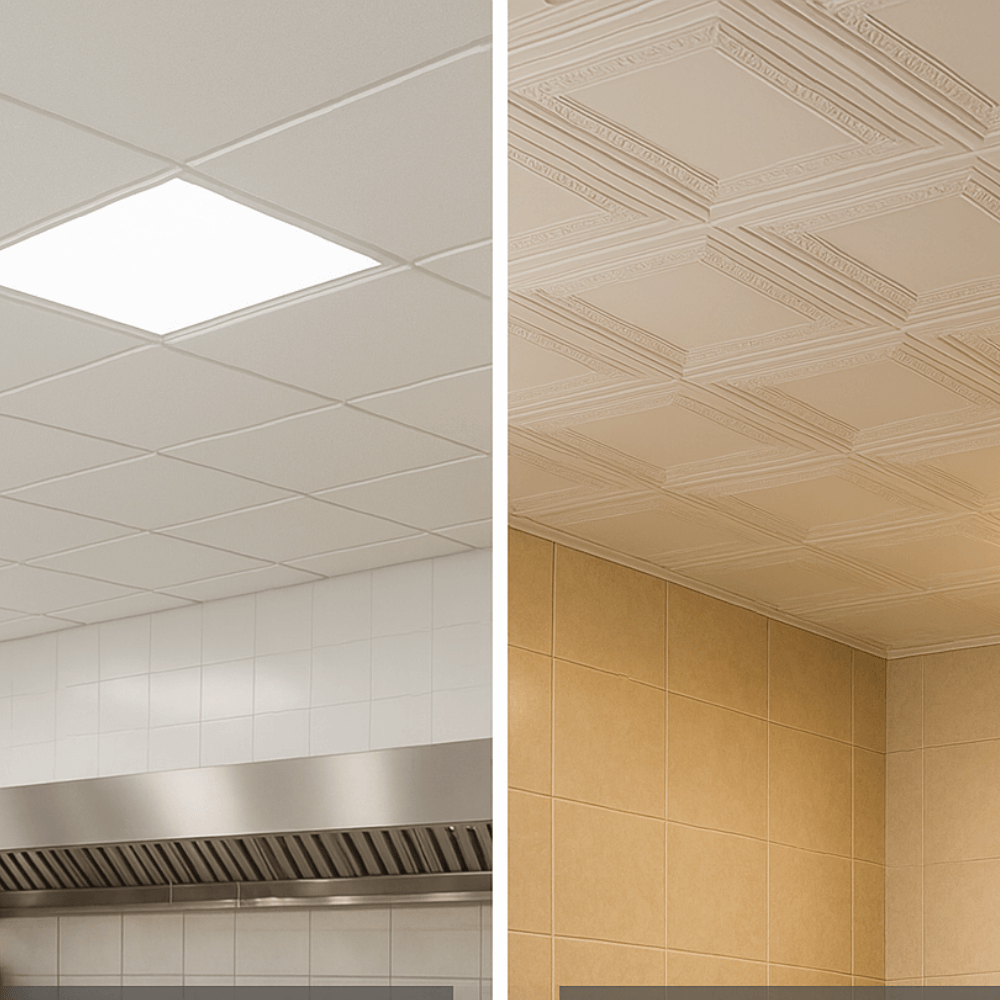
PVC vs. Vinyl Ceiling Tiles: Kitchen Applications
| Feature | Vinyl Ceiling Tiles (Best for Kitchens) | PVC Ceiling Tiles |
|---|---|---|
| Core Material | Mineral fiber or gypsum with vinyl coating | 100% PVC plastic |
| Compliance | Fire-rated, FDA/USDA hygiene compliance | May lack food safety certifications |
| Water & Mold Resistance | High – vinyl surface repels moisture | Excellent – completely waterproof |
| Ease of Cleaning | Wipe-clean, scrub-resistant surfaces | Easy to wash, but not always certified for kitchens |
| Acoustics | Absorbs sound in busy spaces | Minimal acoustic control |
| Best For | Commercial kitchens, hospitals, schools | Bathrooms, basements, decorative ceilings |
Bottom line: While PVC tiles are great for decorative, waterproof applications, vinyl ceiling tiles are the compliance-focused choice for kitchens and regulated spaces.
Advantages of Vinyl Ceiling Tiles in Kitchens
 ✅ Meets health and safety codes (often a legal requirement)

✅ Durable in high-heat and high-humidity environments
✅ Low maintenance—just wipe down to keep ceilings spotless
✅ Noise reduction—creates a more comfortable kitchen environment
✅ Cost-effective compliance solution compared to stainless steel ceilings
FAQs About Vinyl Ceiling Tiles
1. Are vinyl ceiling tiles required in commercial kitchens?
In many regions, yes. Health codes often specify washable, fire-rated ceiling tiles for food prep areas. Vinyl-coated tiles are widely accepted as compliant.
2. Can vinyl ceiling tiles handle steam and grease?
Yes. The surface is non-porous, meaning steam, grease, and splashes won’t penetrate or stain the material.
3. How long do vinyl ceiling tiles last?
With proper maintenance, they can last 10–20 years, even in busy commercial kitchens.
4. Are vinyl ceiling tiles only for commercial use?
Not at all. Homeowners also use them in basements, laundry rooms, or residential kitchens for their easy cleaning and bright appearance.
Conclusion: Why Vinyl Ceiling Tiles Win in Kitchens
While PVC and vinyl ceiling tiles both have benefits, vinyl ceiling tiles offer something PVC cannot always guarantee—compliance with fire, hygiene, and food safety regulations.
If you’re designing or renovating a kitchen ceiling, vinyl ceiling tiles check every box:
Fire-rated ✔
Hygienic & washable ✔
Moisture-resistant ✔
Cost-effective ✔
For kitchens, healthcare, and other high-standard environments, vinyl ceiling tiles aren’t just a choice—they’re often a requirement.
Ready to Upgrade Your Ceiling?
Choosing the right ceiling tile is more than a design decision—it’s about meeting compliance standards while creating a clean, safe, and attractive space.
If you’re planning a renovation or new build and need vinyl ceiling tiles that meet fire, hygiene, and kitchen safety codes, we can help.
👉 Request a Free Quote Today and get expert guidance on choosing the perfect vinyl ceiling tiles for your project.
Whether it’s a commercial kitchen, healthcare facility, or residential upgrade, our team will ensure you get a solution that looks great and keeps you fully compliant.