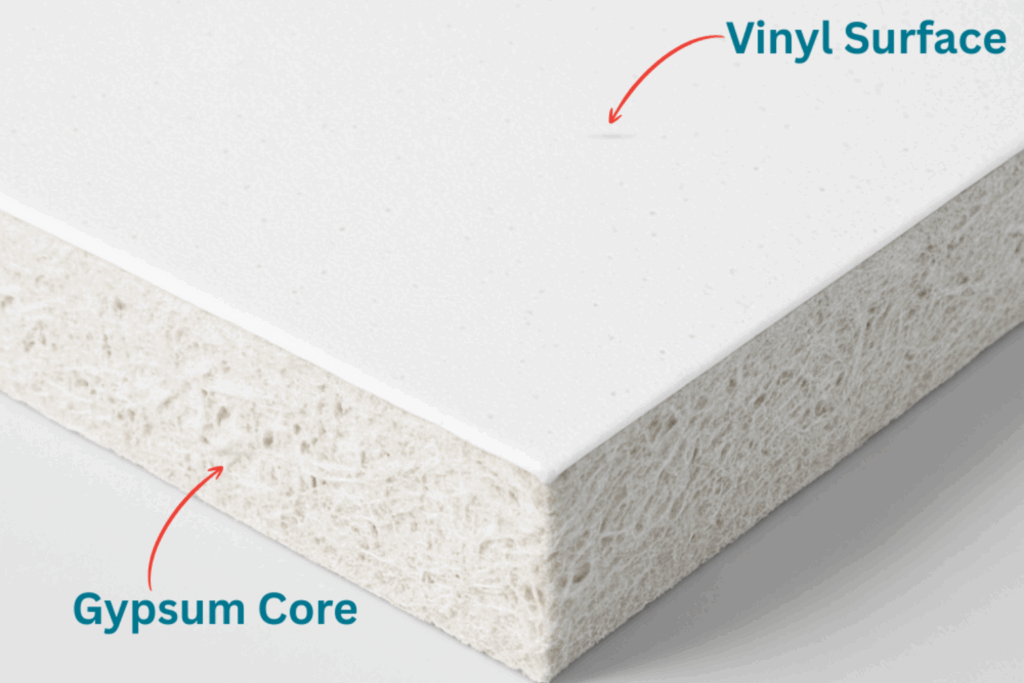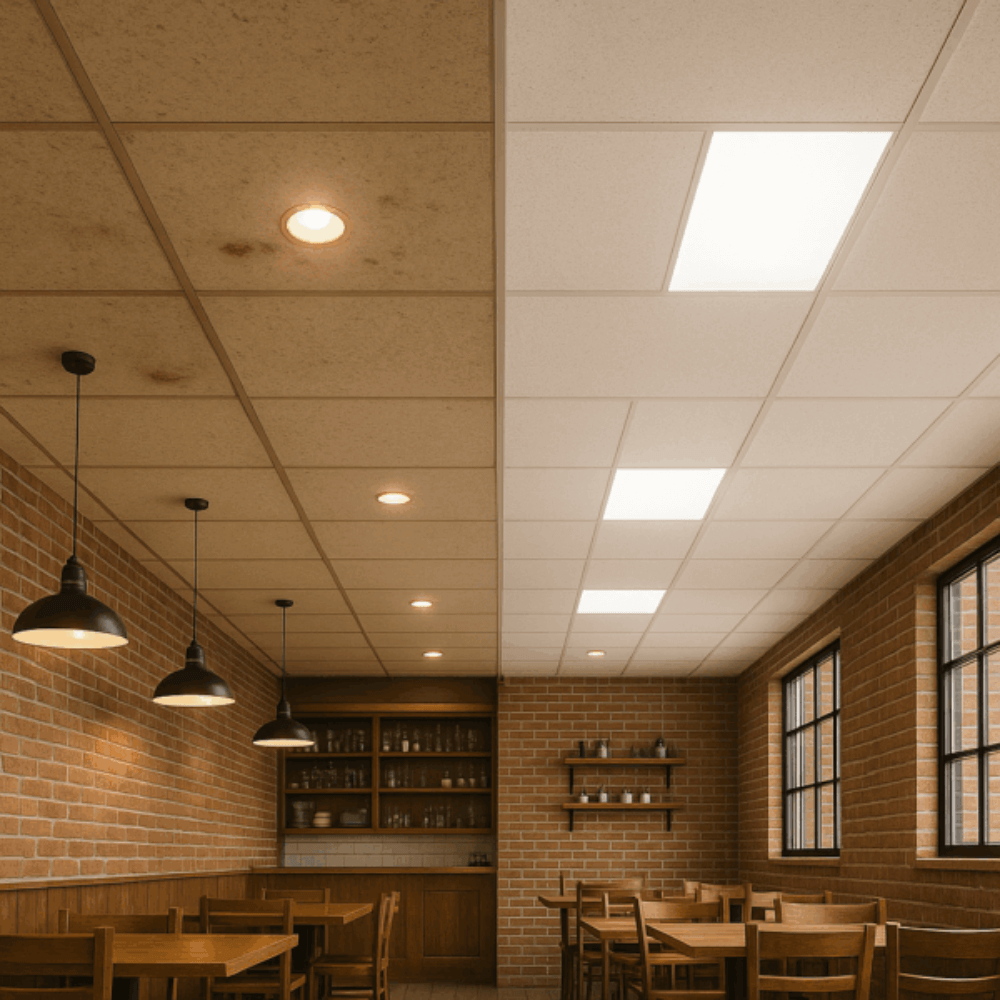
The majority of commercial kitchen owners concentrate on the flooring, countertops, and appliances. However, one space that is frequently disregarded is the ceiling. Tiles for kitchen ceilings are essential for preserving hygienic conditions, adhering to safety standards, and passing health examinations. Inspectors may become suspicious very quickly if your tiles are filthy, discolored, or broken.
The good news? You can maintain the cleanliness, compliance, and brand-new appearance of your kitchen ceiling tiles for many years with the proper care and a regular maintenance schedule. These are some useful guidelines that all facility managers and restaurant owners should abide by.
1. Create a Cleaning Routine
In a commercial kitchen, grease, steam, and smoke are unavoidable. They may eventually leave ceiling tiles with stains that are difficult to remove. Make it a habit to clean the tiles at least once a week with a gentle cleaner that is safe for PVC or vinyl ceiling tiles. Consider planning monthly or quarterly wash-downs for thorough cleanings. Maintaining a clear cleaning schedule keeps your ceilings ready for inspection and helps avoid accumulation.
2. Select the Proper Cleaning Supplies
Not all cleaning solutions are suitable for the ceiling tiles in commercial kitchens. Tiles may become discolored, have their fire resistance diminished, or sustain surface damage from harsh chemicals. Use only cleaners that have been approved by the manufacturer, ideally non-abrasive ones. The majority of vinyl ceiling tiles respond well to a straightforward solution of warm water and mild detergent. Because bleach can leave yellow stains, only use it when absolutely necessary.
3. Be mindful of moisture and ventilation
Moisture buildup is a prevalent issue in commercial kitchens, as it can result in sagging tiles or even the growth of mold. Verify that the ventilation and HVAC systems are operating effectively. In addition to safeguarding your ceiling tiles, adequate ventilation makes your employees’ kitchen safer and cozier.
4. Inspect and Replace Damaged Tiles Promptly
When cleaning regularly, look for warping, cracks, or tiles that are loose from the ceiling grid. Damaged tiles pose a hygienic risk because they can retain moisture or oil. It’s always less expensive to replace one or two tiles at a time rather than allowing the issue to spread to the entire ceiling. Having extra tiles on hand guarantees that you can replace them quickly if necessary.
5. Document Your Maintenance for Compliance
Health inspectors are fond of paperwork. Keep a straightforward record of the products used, the dates of tile cleanings, and any replacements. This record demonstrates your serious approach to hygiene and your dedication to adhering to local health codes and safety regulations, such as those set forth by the FDA and USDA.

Final Thought
It’s not just about looks when it comes to keeping kitchen ceiling tiles clean and in compliance. It is about safeguarding your employees, clients, and company. Costly fines and failed inspections can be avoided by establishing a regular cleaning schedule, using the proper products, controlling ventilation, and replacing damaged tiles as soon as possible.
While it might not be the first thing you see when you enter a kitchen, inspectors frequently start by looking at the ceiling. Maintaining ceiling tiles on a regular basis will help you stay ahead of the game and improve your company’s reputation.